


Build to Rent · Rental Pricing
New Homes Are 10% Smaller as Charlotte and Raleigh Compete with Texas for a Once Dubious Crown. Rents Are Following the Features, Not the Footage
New construction in Charlotte, Raleigh, and Dallas has shed roughly 250 square feet since 2019, and renters are repricing accordingly. We’ve set rental rates on thousands of listings over nearly two decades, and the shift is unmistakable: features, flow, and location now command the premium. Raw square footage doesn’t.
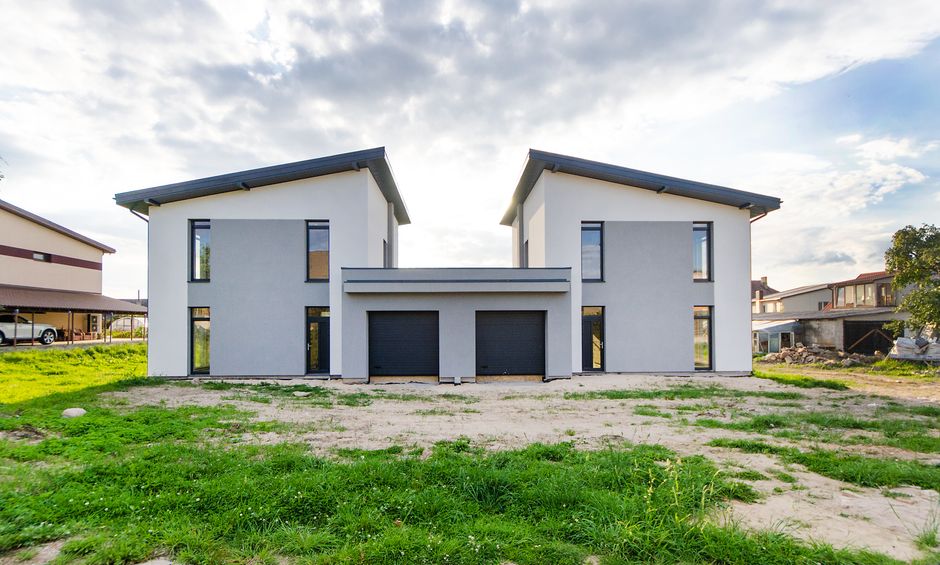
The Shrinking New Home Is Now the Market Standard, and the Southeast Is Leading It
The average newly built home in America is now about 2,175 square feet, down 5.6% from the 2019 peak, according to Fortune’s reporting on Zonda data. More than 80% of the top 50 housing markets are building smaller than they did before the pandemic. This isn’t a rounding error. It’s the most significant structural change in new-home product in a generation.
Our markets sit at the front of the trend. Charlotte and Raleigh new builds have each shrunk roughly 10% since 2019, about 250 square feet gone from the average floor plan. Dallas, a market that spent decades building famously oversized product, has swung to posting some of the largest declines in the country. Ali Wolf, Zonda’s chief economist, put the mechanism plainly: square footage is the most flexible variable in the home-building equation. Land costs, labor, and materials are hard to negotiate. The size of the box isn’t.
Call it housing shrinkflation. Buyers and renters are both living through it, and it changes the comp set for every rental home in these metros, whether it was built in 2024 or 1994.
Housing Shrinkflation.
Buyers and renters are living through it — the comp set is shifting for every rental home in these metros, whether it was built in 2024 or 1994.
Same lot. Same price band. Fewer square feet.
Why This Reframes Build to Rent: Almost Nothing Pencils, So Design Has to Do the Work
Here’s the uncomfortable math driving all of this. Between elevated material costs, a persistent labor shortage, and interest rates that turned every pro forma upside down, very few new construction projects pencil out right now. Builders can’t cut the price of lumber or the cost of a framing crew. So they cut square footage, because it’s the one input they fully control.
For build to rent operators, that constraint is the defining condition of the next several years. When almost nothing pencils, resourcefulness becomes the whole game. John Burns Research has called one version of this the “death of the hallway”: builders are cutting circulation space, the square footage nobody lives in, instead of shrinking the rooms people actually use. A 1,900 square foot home with no wasted hallway can live like a 2,200 square foot home from 2015.
There’s an irony Wolf highlights that we find genuinely funny after two decades in Southeast housing: Texas and Southeast builders are now studying the compact, efficient California floor plans they spent years mocking. California builders had to learn to make small homes live large because land forced their hand. Now Carolina land costs are teaching the same lesson.
The BTR communities that win this cycle won’t be the ones with the biggest boxes. They’ll be the ones that deliver smaller footprints that live large: a flex room instead of a formal dining room nobody uses, real storage, usable outdoor space, and a location worth paying for.
Old Playbook: Footage First
- Formal dining room, rarely used
- Long hallways connecting oversized rooms
- Two-story foyer that heats and cools nothing
- Price justified by the square footage number
- Location traded away for lot size
New Playbook: Feature First
- Flex room that works as office or guest space
- Circulation space cut, living space kept
- Storage designed in, not bolted on
- Fenced yard and functional outdoor living
- Location and finish level carry the rent

The COVID Square-Footage Premium Has Reversed, and 2026 Rents Prove It
During COVID, big existing homes commanded outsized rent premiums. Households wanted space for two offices, remote school, and a home gym, and they paid up for footage. That premium has unwound. New construction is now training renters to price features over footage, and rents in our markets are softer than at almost any point in our two decades of doing this, even in metros that keep adding residents.
A big home no longer attracts big relative rent: TRUE, and we can see it in our own comp work. In our experience setting rates on thousands of listings, a 2,800 square foot home with dated finishes and no fence increasingly rents at a discount per square foot compared to a well-appointed 1,900 square foot home in a better location. The larger home often sits longer too, which is where the real damage happens.
Run the vacancy math. Our average owner loses more money to vacancy each year than they spend on total repair costs. At typical rents in Charlotte and Raleigh, an empty home costs $60-100 per day. Overprice a large home by $150 a month because the footage feels like it deserves more, let it sit 60 days waiting for a renter who never comes, and you’ve burned $3,600-6,000 to chase roughly $1,800 in first-year upside. That trade never pencils, and it rarely stops at 60 days.
Free Rent Analysis
What Does Your Home Actually Command in a Features-Over-Footage Market?
We’ve priced thousands of rentals across the Carolinas since 2006. Get a custom rent rate estimate built on real comps, not a square footage formula.
What Individual Rental Investors in Charlotte, Raleigh, and Dallas Should Do With This
The translation for the mom-and-pop investor renting a single home is direct. Price to the market comp set, not to the square footage. Your 2,600 square foot home competes against brand-new 2,100 square foot product with a flex room, designed-in storage, and builder incentives stacked on top. The renter touring both isn’t doing math on price per foot. They’re asking which home works better for their life.
Then invest where renters actually pay. Fencing remains one of the best-documented ROI upgrades we’ve measured. Take a $2,000 per month home: that’s $24,000 gross, call it $21,600 after a modest vacancy allowance. If a fence lets you capture even a portion of the premium fenced homes command, and it reliably does in our portfolio, the payback period runs a handful of years and the benefit compounds every lease after that. Condition, storage, and a functional layout follow the same logic. A $6,000 refresh moves rent and days-on-market in ways an extra 400 square feet no longer does.
Five Feature Investments That Beat Footage on Rent Per Dollar
- A fence. The most consistent ROI upgrade we’ve tracked across two decades of leasing data.
- A condition refresh. Paint, flooring, fixtures, and lighting. Dated finishes discount a big home faster than small footage ever will.
- Storage solutions. Closet systems, garage shelving, pantry organization. Smaller homes taught renters to value it, and they now expect it everywhere.
- Outdoor living. A usable patio or deck extends the home without adding a foot of conditioned space.
- Smart pricing. The cheapest upgrade on this list. Listing at the market rate on day one beats chasing the market down for 90 days.
We’ll address the emotional side directly, because it’s real. Accepting a rate below what the footage feels like it deserves isn’t easy to digest. A lot of overpricing is pride, and we understand it: these are investments and their performance affects us emotionally. But the alternative is months of vacancy, and vacancy doesn’t just cost money. It reshapes your applicant pool. Quality residents have great finances for a reason: they find value, and they lease it quickly. The overpriced large home sits empty for three months and ends up fielding applications from whoever’s left. Lowering the rate to market doesn’t attract worse residents. It attracts the good ones before they’re gone.
The Long Game: Smaller, Smarter Homes Are a Durable Trend, Not a Blip
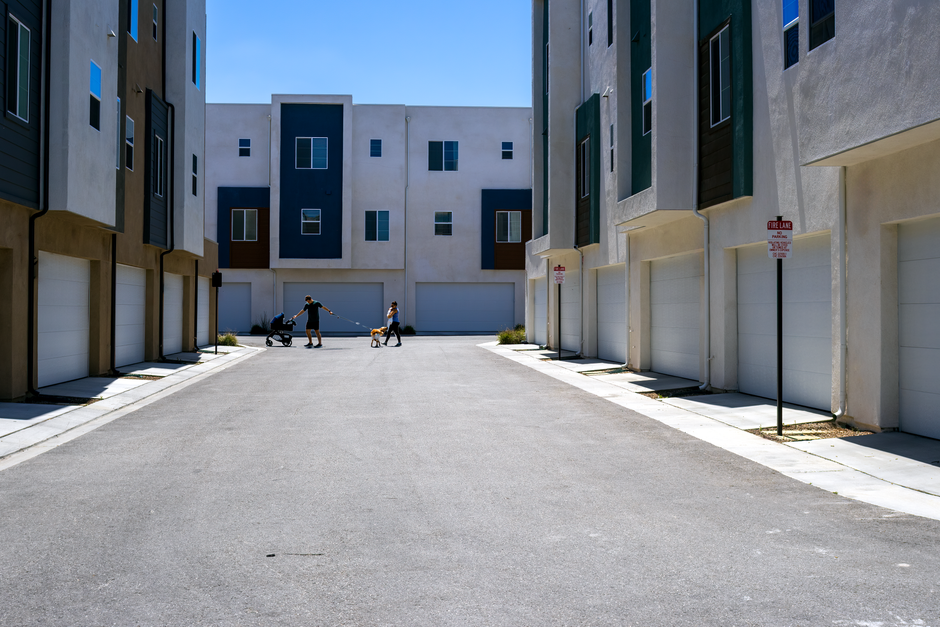
Don’t mistake this for a cycle that snaps back when rates fall. Starter-priced new homes have fallen from 42% of construction to roughly 21%, per the same Fortune reporting. Entry-level buyers are stuck renting for years longer than the generation before them, and builders are stacking incentives to move smaller product because it’s the only product that pencils. That’s sustained demand pressure landing squarely on well-located, well-designed rentals for the next five-plus years.
For BTR developers, the compounding play is delivering desirable, practical communities rather than maximal ones: the design work you do now pays rent on every unit, every lease cycle, for the life of the asset. For individual owners, it’s the same principle at single-home scale. The market has repriced what a rental is worth, and the owners who reprice with it will out-earn the ones defending a square footage number for another decade.
“Square footage is the most flexible variable in the equation.”
Ali Wolf, Chief Economist at Zonda, as reported by Fortune
What Does Overpricing a Large Home Actually Cost?
Move the sliders to see how quickly overpricing eats into a year of rent.