


Published Updated
Custom Home Services
Don’t Want Capital Gains Taxes, a Forced Sale, or Landlord Headaches? Custom Home Services Is the Third Option
For owners sitting on decades of appreciation, selling and paying capital gains taxes is rarely the most rational move. But neither is becoming a reluctant landlord. There is a third path almost nobody talks about: keep the asset, skip the tax bill, and offload the work to operators who treat the home like their own.

The Boomer Equity Trap
An entire generation of property owners is stuck. The home bought in 1988 for $90,000 is worth $650,000 today. Selling sounds simple until the tax bill arrives. Federal capital gains, state capital gains, depreciation recapture if the home was ever rented, the net investment income tax for higher earners. For a long-held home outside the primary residence exclusion, the combined hit can erase six figures of equity in a single transaction.
The reflex move is to sell anyway. Most owners do not run the actual math. They feel the burden of ownership, hear the cash number a buyer will hand them, and accept the friction of a closing as the price of being done. What they rarely calculate is what they would have to earn on the after-tax remainder to match the position they already hold.
That calculation is brutal. After taxes, closing costs, and commissions, the reinvested proceeds need to compound for years just to catch back up to where the property already sits.
A third option
Keep the home. Skip the tax bill. Skip the tenants.
Custom Home Services is the path for owners who want to hold the asset but are done with the work. We manage the property like it is our own, with no resident in the picture.
The Honest Comparison: Keep vs. Sell-Pay-Reinvest
The real comparison is not selling versus holding. The real comparison is holding the property versus selling, paying the tax, and reinvesting the net proceeds at whatever return is actually available to a conservative investor. Most owners skip that second step. They imagine the sale price and the hold value as comparable numbers. They are not.
Sell now
Sale price minus capital gains tax, closing costs, agent commissions, depreciation recapture.
Net proceeds reinvested at a conservative rate, taxed annually on the gains.
Hold with CHS
Full asset value retained. Carrying costs counted honestly: taxes, insurance, utilities, upkeep.
Tax basis steps up at inheritance. Appreciation continues uninterrupted.
Run that math with realistic numbers. The hold position usually wins by a wide margin, especially once the step-up in basis at death is included for owners thinking about estate planning. The tax code rewards holding. It penalizes selling.
This does not mean every owner should hold every property forever. It means the default assumption that selling is the responsible move deserves more scrutiny than it usually gets.
Carrying a Home Without a Resident: When It Works and When It Doesn’t
A vacant home is a real cash drain. We will not pretend otherwise. Property taxes, insurance, utilities at minimum service, lawn care, HVAC running enough to prevent humidity damage, periodic inspections. The monthly carrying cost on a paid-off single family home in our markets typically runs from a few hundred dollars up past a thousand depending on size, age, and location.

The case for vacant holding strengthens in a few specific situations. The owner uses the home part of the year. The owner plans to move back in eventually. The owner is preserving the property for a family member who will move in later. The owner is willing to absorb the carrying cost as the price of skipping a six-figure tax bill and keeping the appreciation engine running.
The case weakens when the carrying cost is genuinely punishing relative to the owner’s other income, or when the home can comfortably be rented near break-even with quality residents in place. For many of our owners, a hybrid approach works best: hold the asset, place it with us when the right resident shows up, and let the property cover its own carrying cost during occupied periods.
Related reading
Thinking about passing the home down instead?
The inheritance angle changes the math even further. The step-up in basis at death can eliminate capital gains entirely for heirs.
The “I Don’t Want to Be a Landlord” Problem
Some owners are done with the asset emotionally even when the math says hold. They are tired of the calls, tired of the wear and tear, tired of the unpredictability of having strangers in a home they built memories in. We hear this constantly. It is a real reason, and we respect it.
The traditional industry response to this owner is to push them toward selling, because most property management firms only know how to manage rentals. The owner gets framed as someone who is not cut out for the business. The firm does not offer a real alternative, so the owner sells, pays the tax, and the firm moves on.
Custom Home Services exists for this exact gap. Full property stewardship without rental obligations. No showings, no resident decisions, no leases to negotiate. We treat the home the way an attentive owner would if they had the time and the contractor network. The asset stays in the family. The tax bill stays unpaid. The work goes away.
Why Holding Quality Housing May Outperform Most Conservative Alternatives
The long-term case for holding well-located single family housing in the Carolinas is stronger than the case for almost any conservative alternative we can identify. The country is short several million housing units. Construction has not kept pace with household formation for fifteen years running. The Federal Reserve has named shelter inflation as a central target, which is another way of saying housing pricing is structurally hard to break.
Generational affordability concerns reinforce this. Younger buyers are priced out at scale in our metros. That is bad for the country and a serious issue we take seriously, but the second-order effect on existing housing owners is that demand for both ownership and rental shifts toward what already exists. Quality homes in established neighborhoods do not get cheaper in that environment.
Holding a paid-off home in Wilmington, Raleigh, Charlotte, the Triad, Greenville SC, or Richmond is not a speculative bet. It is one of the more conservative positions an owner can take. The alternative, selling and parking the net proceeds in a money market account, sounds safer but is not, once you account for taxes paid, returns forgone, and the inflation protection that housing provides and cash does not.
What Custom Home Services Actually Does
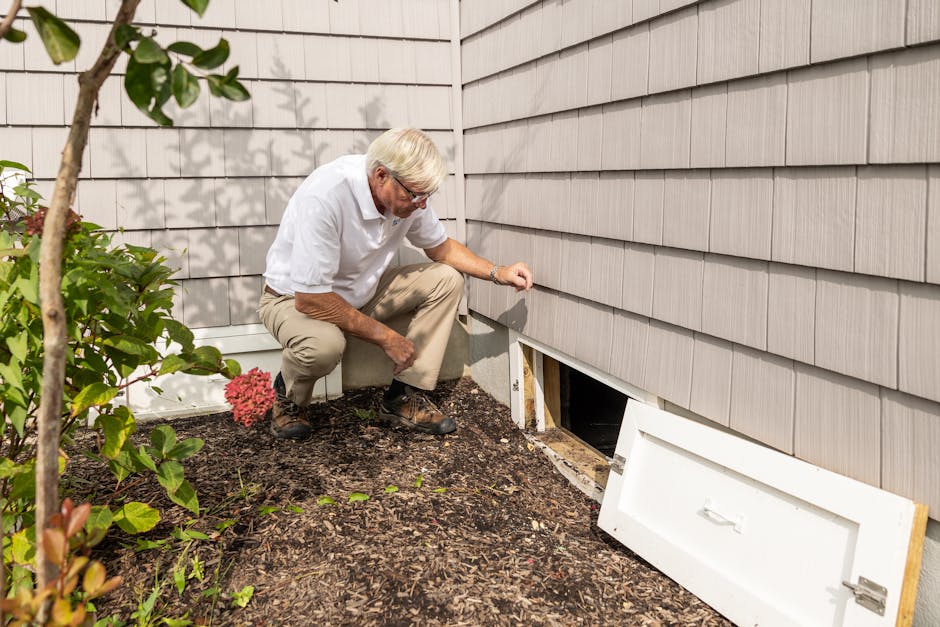
The work is concrete. Regular interior and exterior inspections on a defined schedule, with documented findings sent to the owner. Maintenance coordination with our vetted vendor network, the same crews that service our two thousand managed doors. Seasonal preparation for storm season, winter freeze risk, and HVAC servicing. Emergency response when something breaks, with the owner looped in only when decisions or budget approvals are needed.
What is included
- Scheduled inspections with documentation
- Maintenance coordination through our vendor network
- Seasonal preparation and storm response
- Emergency response with owner-defined decision thresholds
- Utility account management and bill review
- Lawn, landscape, and exterior upkeep coordination
- Optional periodic owner stays prepared and turned over
This is the work an attentive owner would do themselves if they had the time, lived close enough, and had the contractor relationships. For owners who have aged into a different chapter, moved out of the area, or simply decided the work is no longer worth their hours, we step in.
The pricing structure is straightforward and matches what the work actually costs to deliver. There is no rental income to take a percentage of, so we charge a transparent monthly fee plus pass-through costs for vendor work, the same vendor rates we get for our rental portfolio.
No obligation
Run the hold-vs-sell math with a MoveZen advisor
If you are weighing a sale on a long-held home, we will walk through the actual numbers with you. Capital gains exposure, carrying costs, hold scenarios, and whether Custom Home Services makes sense for your situation. No pressure. No pitch deck.
MoveZen Property Management has managed homes across the Carolinas since January 2006. Custom Home Services is our offering for owners who want stewardship without tenants. This article is not tax advice. Talk to your CPA about the specific tax implications of your situation.