




Your Energy Bill Spiked This Winter. Here’s How to Tell If Something Is Actually Wrong.
Every winter we get the calls. “My electric bill doubled.” “Something must be wrong with the heat pump.” “My bill was $400 in January and I keep the thermostat at 68.” We understand the frustration completely. No one expects a $400 electric bill, and the instinct to assume something is broken is natural. But the reality in North Carolina right now is more complicated than a bad HVAC system, and understanding what is actually driving your bill up is the fastest way to get help if you genuinely need it.
Duke Energy rates have risen 45% since 2020
Before we talk about thermostats and HVAC efficiency, you need to know this: even if you used the exact same amount of electricity as you did in 2020, your bill would be roughly 45% higher today. Duke Energy Progress customers have absorbed a dozen separate rate increases over the past five years, driven by fuel cost adjustments, storm recovery charges from Hurricanes Florence and Michael, and base rate increases to fund grid upgrades. A typical Duke Energy Progress customer using 1,000 kilowatt-hours per month now pays around $164, up from approximately $113 in 2020.
And it is about to get worse. Duke Energy has filed for another 15 to 18% increase that would take effect in 2027, pushing typical monthly bills toward $187 to $193 for the same 1,000 kWh of usage. More than 70,000 North Carolina residents have signed a petition calling for an audit of Duke’s billing practices. Governor Stein has publicly called the proposed hike “simply too high.” The Attorney General has intervened in the case. This is a statewide issue affecting every household, renter and homeowner alike.
Why winter bills spike even when nothing is broken
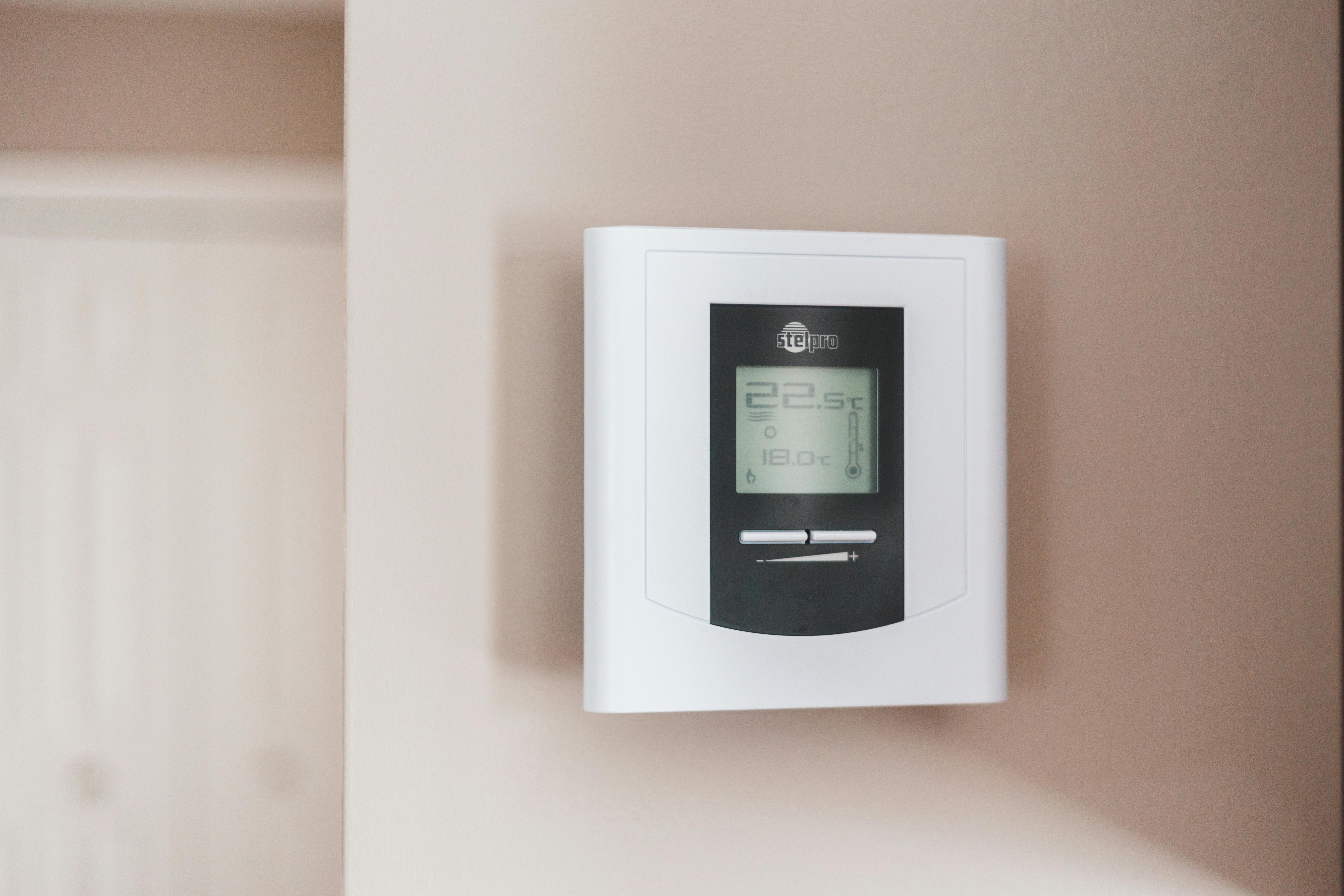
Here is what most people do not realize about winter electricity usage: it is not linear. Running heat in a home when it is 45 degrees outside is one thing. Running heat when it is 15 degrees outside consumes dramatically more energy, because the system has to work harder and longer to maintain the same indoor temperature. A heat pump that cycles on and off normally at 45 degrees may run almost continuously at 15 degrees, and when temperatures drop low enough, the backup emergency heat strips kick in, which consume electricity at two to three times the rate of the heat pump alone.
This winter was particularly brutal in the Carolinas. We had extended stretches of sub-freezing temperatures, and several school districts cancelled classes during the coldest days. When schools close, families are home all day running heat at full capacity, often at higher thermostat settings than usual because everyone is inside and uncomfortable. Kids and adults home during the day, lights on, devices charging, oven running for lunch. It all adds up, and it adds up on the same billing cycle as the coldest weather, which means the bill that arrives in January or February captures the absolute worst-case usage period of the entire year.
The pattern that matters
If your bill was normal in November, spiked in January, and came back down in March, that is seasonal usage, not a malfunction. If your bill was high in November, reasonable in January, and spiked again in March, that is unusual, and worth investigating. The season should predict the bill. When it does not, something else is going on.
We understand the frustration, but the wrong approach hurts everyone
We genuinely empathize with residents who open a $400 or $500 electric bill and feel alarmed. That is a lot of money, and the impulse to demand that your property owner send a licensed HVAC technician immediately is understandable. But here is the part of this conversation that requires honesty: when a property owner sends a licensed HVAC tech to inspect a system that is actually working correctly, that service call costs $150 to $300. When the tech finds nothing wrong, reports the system is operating within manufacturer specifications, and the bill still has to be paid, it creates a situation where the owner has spent money confirming something that was not broken.
Multiply that across dozens of similar requests every cold snap, and you can see how it creates friction. Owners who feel they are being asked to repeatedly prove that functioning equipment is functioning become less responsive to future maintenance requests, less inclined to invest in upgrades, and less flexible on lease terms at renewal time. None of that is fair to you either. The goal should be to identify when there is a real problem and present the evidence in a way that gets a productive response. That is what we are going to help you do.

How to actually tell if something is wrong
The single most useful question is this: does the pattern of your energy usage match the pattern of the weather? Here are the specific things to look at.
Five steps to build a real case
1. Pull your Duke Energy usage history
Log into your Duke Energy account online and pull up the usage graph that shows daily or monthly consumption in kilowatt-hours, not just dollar amounts. Dollar amounts reflect rate changes. Kilowatt-hours reflect actual energy consumption. You want to isolate whether you are using more electricity or just paying more for the same amount.
2. Compare this winter to last winter
Look at your kWh usage for January 2026 versus January 2025. If usage is similar but the bill is significantly higher, the increase is likely driven by rate hikes, not equipment failure. If kWh usage has jumped 30 to 50% or more compared to the same month last year with similar weather, that is worth flagging.
3. Check the temperature comparison
Was this January significantly colder than last January? If average temps were 10 to 15 degrees lower, a 20 to 40% increase in usage is expected. You can check historical weather data for your city at weather.gov. This is the single most important variable in winter bills.
4. Run the seasonal reversal test
Look at your fall bill (October/November) and compare it to your peak winter bill (January/February). If the fall bill was normal and the winter bill spiked, that tracks with normal seasonal patterns. If the pattern reverses, meaning your bill was high in mild weather and lower during extreme cold, that is a genuine red flag that something is not working correctly.
5. Document and present
Take screenshots of your Duke Energy usage graphs, note the specific months where something looks abnormal, and include the weather context. Send this to your property manager or owner. A message that says “my kWh usage in January was 40% higher than last January despite similar temperatures, and my October bill was actually higher than my December bill, which does not make sense” is going to get a very different response than “my bill is too high, something must be broken.”
When you present data, you are speaking the language that property owners and managers understand. We deal in numbers every day. A well-documented energy complaint with usage graphs and weather comparisons is something we can take to an HVAC contractor and say “look at this specific anomaly, let’s diagnose it.” A general complaint about a high bill during the coldest month of the year, without context, does not give us much to work with.
Thinking about your next lease?
See exactly what a professional lease covers, from maintenance responsibilities to utility obligations.
What property owners should be doing proactively
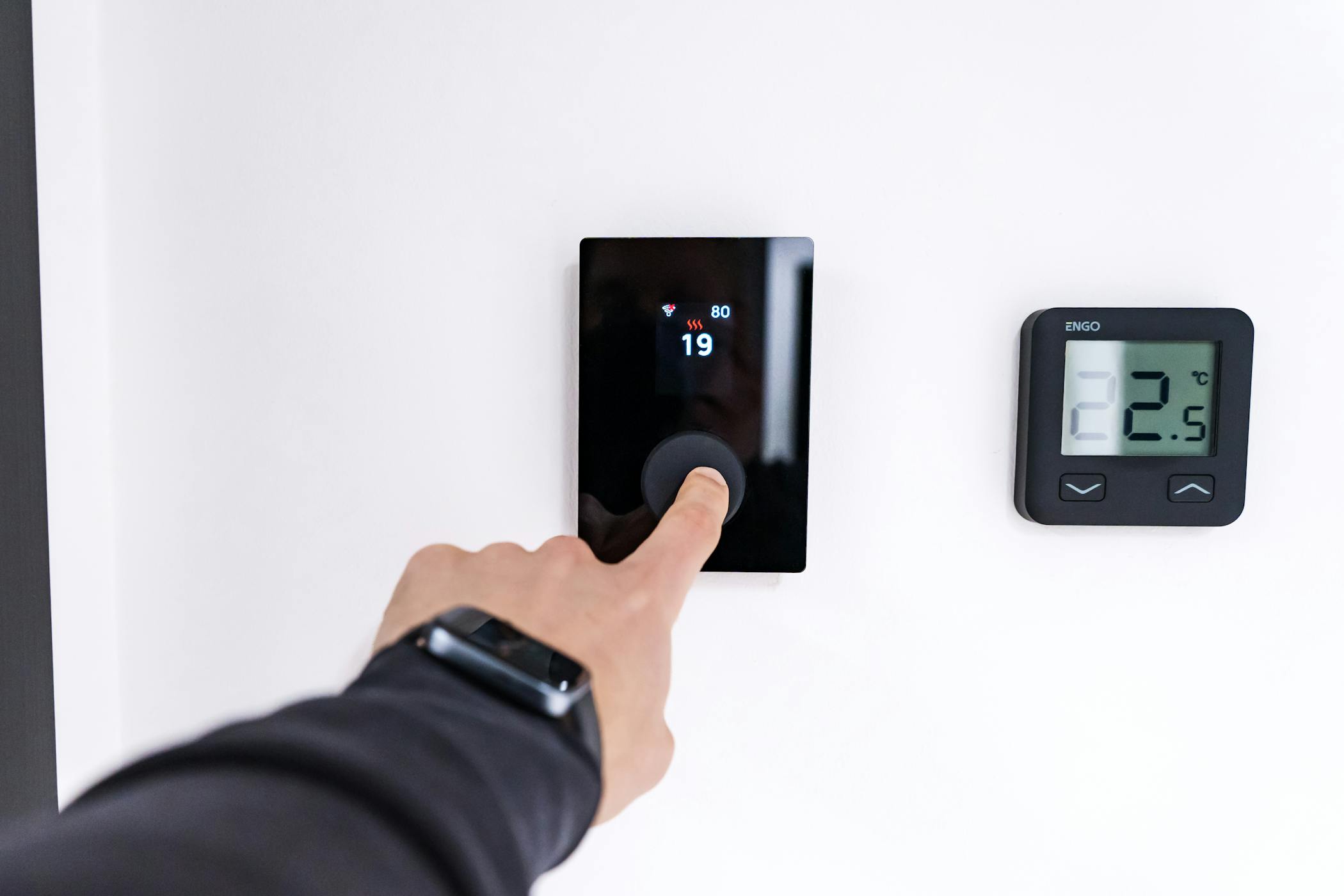
This section is for the owners reading along. If you manage your own rental or work with a management company, here is how to get ahead of winter energy complaints before they become adversarial. Schedule preventive HVAC maintenance in the fall, before heating season, when contractors are available and costs are lower. A fall tune-up that confirms the system is operating efficiently gives you documentation to reference if winter complaints come in. Replace air filters on a regular schedule and communicate that to residents. Consider investing in a smart thermostat that provides usage data both you and the resident can access. And when a resident does bring a well-documented energy concern with actual usage data showing something abnormal, take it seriously and get a tech out promptly. That responsiveness builds the trust that makes everything else in the landlord-resident relationship work better.

The bottom line
Your electric bill is high because Duke Energy rates have risen 45% in five years, because this was a cold winter, because you were probably home more than usual during the worst of it, and because heat pumps consume dramatically more energy in extreme cold. None of that means your HVAC is necessarily broken. But some of those bills are driven by real equipment problems, and the way to find out is to look at the data, not the dollar amount.
Pull your usage history. Compare months. Check the weather. If the pattern does not match the season, you have something worth investigating, and any reasonable property owner or manager will respond to that evidence. We have been managing homes across North Carolina for nearly two decades, and the residents who get the best outcomes on maintenance concerns are the ones who bring data. It works because it is the right approach, and it works because it gives everyone involved something concrete to act on.