





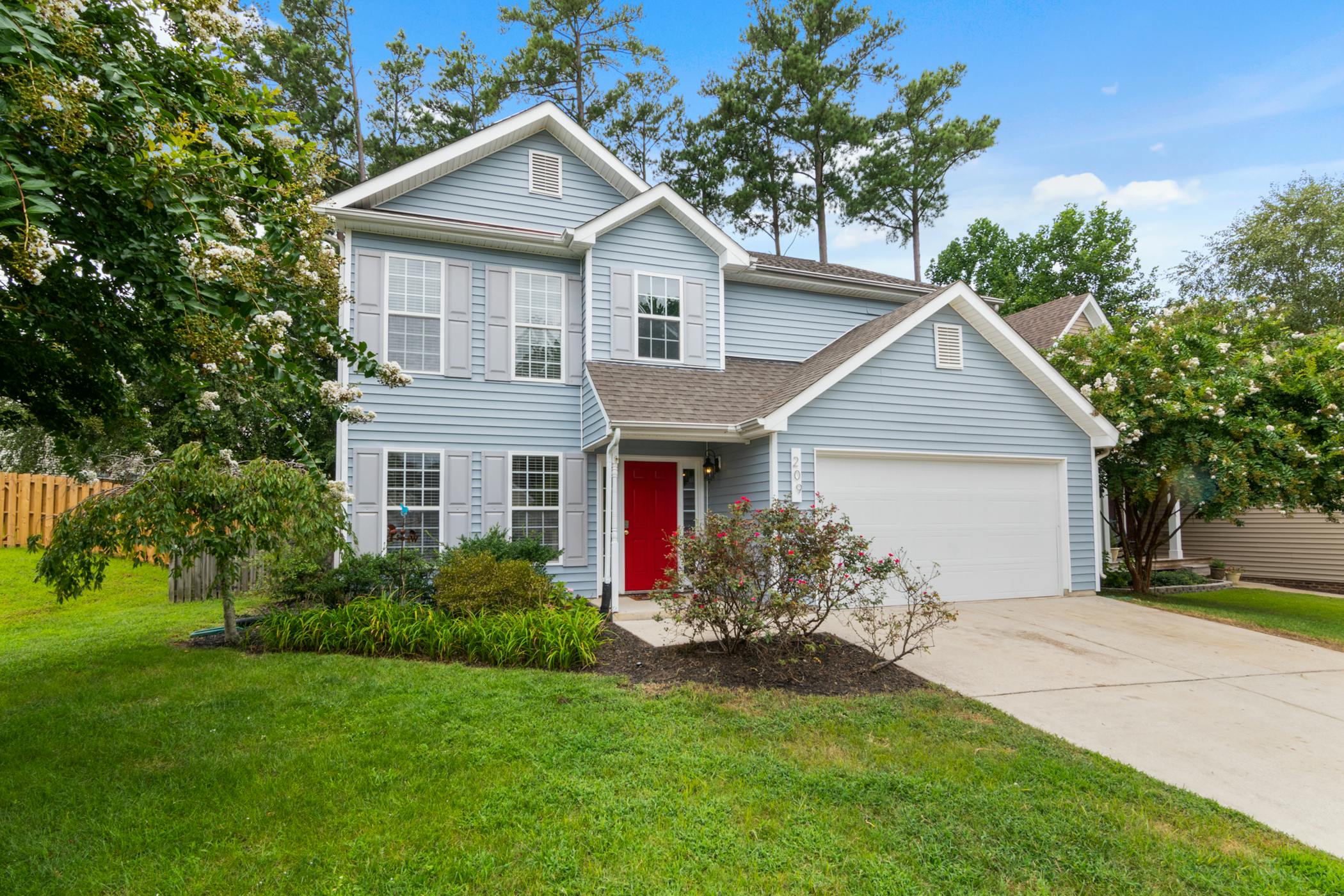
Accidental landlords hit a 3-year high. But that’s only half the story.
Zillow is tracking homeowners who couldn’t sell and became reluctant landlords. We’re tracking something bigger: the growing wave of people who never planned to manage a property at all, whether they inherited it, relocated away from it, or simply couldn’t sell it and have no idea what to do next. Traditional property management solves one of those problems. We built a product to solve all of them.
Zillow’s latest research confirms what we have been seeing on the ground across our Sunbelt markets for months. A near-record 2.3% of homes listed for rent on the platform were recently listed for sale, matching the highest October reading in Zillow’s nearly six-year history. Texas, Florida, Denver, Portland, and Nashville are leading the trend. The data may reach 2.4%, tying the all-time record set in November 2022.
The media coverage has focused almost entirely on the “accidental landlord” angle: homeowners who tried to sell, couldn’t get their price, and pivoted to renting the property instead. That is a real and growing phenomenon. Detached single-family homes are the most common property type in this category, at 3.4% of rental listings on Zillow owned by accidental landlords, compared to 2.2% for townhomes and 1.1% for condos.
But after nearly two decades managing properties across seven metro areas, we can tell you that accidental landlords are only one part of a much larger trend that almost nobody is discussing. For every homeowner who pivots an unsold listing into a rental, there are others dealing with situations that traditional property management was never designed to address.
We are talking about inherited properties where the heir lives in another state and has no idea what condition the home is in. Relocated professionals who left a home behind and need someone to keep an eye on it while they decide whether to sell or rent. Snowbirds with seasonal homes that sit vacant for months. Estates in probate where the home needs to be maintained for an indefinite period. Divorcing couples with a property neither party is currently occupying. Military families deployed overseas with a home sitting empty.

These are not accidental landlords. They are accidental vacant-home managers. And the problems they face are different, often more urgent, and almost entirely unserved by the traditional property management industry.
The problem traditional property management doesn’t solve
Traditional property management is built around one core function: finding a resident, collecting rent, and handling maintenance while the property is occupied. It works well for that purpose, and it is exactly what we do for the majority of our clients. But it assumes the owner wants to rent the property, has a property that is rent-ready, and is prepared to make the financial and legal commitments that come with being a landlord.
A huge number of people finding themselves holding a property in 2026 do not fit that description at all. They may not want to rent. They may not know whether the home is in rentable condition. They may need three months to figure out their plan while the property sits empty. They may need someone to check on it once a month, manage the lawn, make sure the pipes have not frozen, ensure the HVAC is running, and keep the property from deteriorating while they make decisions from 500 miles away.
Until recently, there was no good solution for these people. You could hire a lawn service, a separate cleaning company, a separate handyman, check your own security cameras, and hope nothing went wrong between visits. Or you could rush into renting the property before it was ready and before you understood the market, often making expensive mistakes in pricing, resident screening, and lease structuring that a first-time landlord has no way to anticipate.

We built our Custom Home Services division specifically because we saw this gap growing wider every year. The great wealth transfer from baby boomers to their children is creating a tidal wave of inherited properties where the heirs have no experience with real estate management and often live nowhere near the home. The frozen sales market is producing a surge of unsold properties that need ongoing oversight. The rise of remote work and multi-city living means more homes sitting partially or fully vacant for extended periods.
These are not niche situations anymore. They are mainstream, and growing fast.
Custom Home Services: built for the problems nobody else solves
Whether you inherited a property, relocated and left a home behind, have a vacant home between residents, or simply cannot sell and need someone to keep things together while you figure out your next move, CHS handles it. Routine property checks, maintenance coordination, vendor management, winterization, yard care oversight, and full vacant property protection across all of our Sunbelt markets.
Learn More About CHSWhat actually goes wrong with vacant homes (and how fast)
Landlords who have managed properties for any length of time know this, but homeowners who have never dealt with a vacant property are often shocked at how quickly things deteriorate when nobody is living in a home. We call vacant properties “ticking time bombs” for a reason, and it is based on nearly two decades of direct experience.
HVAC systems that are not running regularly are far more likely to fail when they are needed. Water heaters sitting idle develop problems. Plumbing that is not being used can develop leaks that go undetected for weeks or months, turning a $200 repair into a $15,000 remediation. Pest intrusions happen faster in unoccupied homes. Lawn and exterior maintenance lapses create HOA violations and neighborhood complaints. In the Sunbelt, humidity alone can cause mold issues in a home that has been sitting closed up without climate control for even a few weeks.
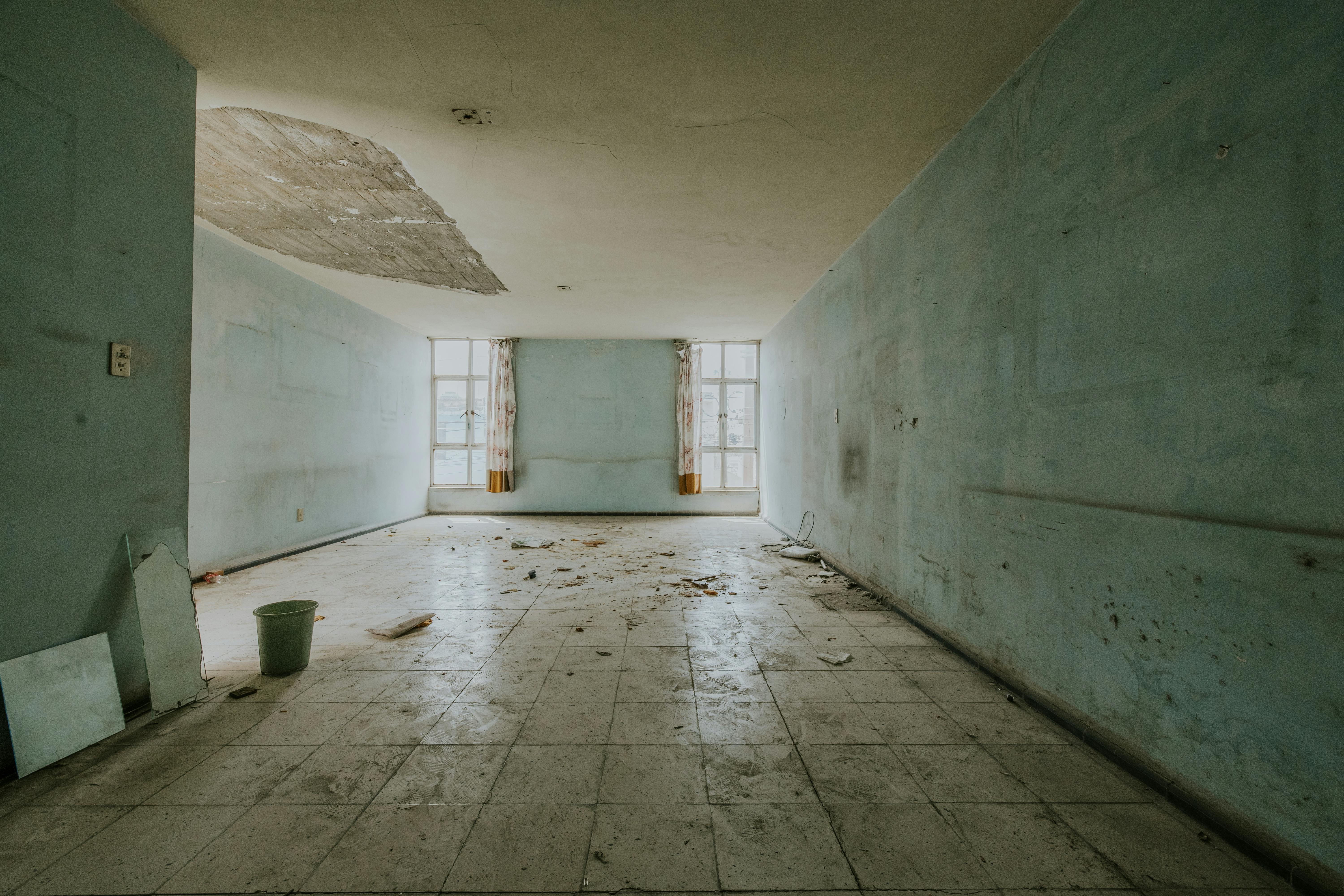
The cost of these problems compounds in ways that are not intuitive. A vacant home is not just losing potential rental income at $60 to $100 per day. It is actively accruing risk. Insurance, property taxes, HOA dues, and mortgage payments continue regardless of occupancy. And the longer a property sits without oversight, the more expensive the eventual repair bill becomes.
This is precisely why we launched CHS. Regular property checks catch problems before they become catastrophic. Climate monitoring ensures HVAC systems are functioning. Vendor coordination keeps the exterior presentable and HOA-compliant. Documentation protects the owner’s interests during transitions. It is the kind of systematic, proactive care that a homeowner 500 miles away simply cannot provide on their own.
The accidental landlord path: we handle that too
For homeowners who do decide to rent, whether by choice or necessity, the transition from “person who owns a home” to “functional landlord” is filled with pitfalls that Zillow’s free tools are not going to solve. We say this with respect for what Zillow offers, but listing a property, screening a resident, structuring a lease, handling maintenance, navigating fair housing law, managing security deposits, and optimizing seasonal timing are fundamentally different from anything most homeowners have ever done.
Zillow’s own economist noted that these accidental landlords are “often unwilling to budge off of what their heart says their home is worth.” We see this constantly. A homeowner who could not sell their property for $425,000 lists it for rent at $2,800 per month because that is what feels right based on their mortgage payment. The actual rental market says $2,200. They sit vacant for three months, burning through $6,000 to $9,000 in carrying costs, before finally coming to us frustrated and wondering what went wrong.

What went wrong is that they skipped the most important step: getting an honest, market-based rental rate estimate from someone who does thousands of them every year. Not a Zestimate. Not a guess based on what the neighbor charges. A real analysis based on comparable rentals, seasonal timing, property condition, and local market dynamics.
What CHS actually covers
We designed Custom Home Services as a flexible product because the situations people find themselves in are endlessly varied. Some clients need full vacant property management for months while an estate moves through probate. Some need a monthly check-in on a seasonal home. Some need help transitioning an unsold listing into a rental-ready property. Some need all of the above at different stages.
The common thread is that every one of these services exists because we saw real people in real situations where the traditional property management model did not have an answer. We built CHS from the problems up, not from a product template down.
The markets where this is most urgent
Zillow’s data shows that the metros with the highest share of accidental landlords are concentrated in exactly the markets where we operate. Denver led at 4.9%, with seven of the top ten metros in Texas or Florida. Nashville is explicitly named. Charlotte’s for-sale market saw homes sitting 19 additional days longer than the prior year. Atlanta’s contract cancellation rate hit 22.5%, the highest in the nation.
These are not coincidences. The Sunbelt markets that saw the biggest pandemic-era price surges, the most construction activity, and the heaviest investor interest are now experiencing the most significant cooling. The homeowners caught in this transition, whether they are accidental landlords, accidental vacant-home managers, or simply stuck in a market that is not cooperating with their plans, need solutions that did not exist five years ago.

We operate across seven of these markets. We have been managing properties through multiple cycles since 2007. We have the vendor networks, the market knowledge, the systems, and the experience to handle whatever situation a homeowner finds themselves in, whether that is a straightforward rental management engagement or a complex inherited-property oversight that requires care and flexibility.
| Metro | Accidental landlord share | Market condition | MoveZen presence |
|---|---|---|---|
| Denver | 4.9% (highest) | Strong buyer’s market | Active |
| Houston | Top 10 | Elevated inventory | Active |
| Austin | Top 10 | 128% seller surplus | Active |
| Nashville | Top 10 | 111% seller surplus | Active |
| Charlotte | Above average | +19 days on market YoY | Active |
| Atlanta | Above average | 22.5% cancellation rate | Active |
You didn’t plan for this. That’s okay. We did.
Whether you inherited a property, can’t sell, need to relocate, or just need someone keeping an eye on your biggest investment, Custom Home Services was built for your exact situation. We operate across the Sunbelt markets where accidental homeownership is surging fastest.
Get Started with CHSThe bigger picture
The accidental landlord trend is a symptom of a broader housing market that is stuck. Sellers cannot get their price. Buyers cannot afford current prices plus current rates. The result is a growing population of homeowners who are holding properties they did not plan to hold, in configurations they did not plan for, with management needs they did not anticipate.
Traditional property management solves the rental part of that equation, and we do it as well as anyone in the industry. But for the growing number of people who are not ready to rent, do not know if they want to rent, or need professional oversight on a vacant property while they figure out their next step, there has been a gaping hole in the market.
Custom Home Services fills that hole. We built it because we saw the need growing in our own client base years before the national data confirmed it. Now that Zillow is quantifying the trend at scale, we expect the demand to accelerate. If you are holding a property you did not plan to manage, in any condition, in any of our markets, we have a path forward for you. That is what we do.
Get a free rental estimate | Explore Custom Home Services